
 Have you ever wondered what goes on behind the scenes when you get hungry?
What gives the signal that you’re full?
Have you ever eaten beyond full and felt uncomfortable?
With Thanksgiving coming up in just a couple of weeks followed by the winter holidays – Christmas, Hanukkah and New Year’s – holidays focused around food, you may have thoughts of getting out your “eatin’ pants” to avoid the painful dig and pinch of a waistline that often becomes too tight this time of year.
You’ll need those pants, unless you learn to make friends with leptin and ghrelin and the powerful effects you can have on fat burning when you understand how to make them work for you.
The Fat Burning Benefits of Ghrelin
Neither ghrelin nor leptin has a gland the way that estrogen, thyroid, cortisol, and insulin do. Ghrelin is secreted by your stomach and leptin by your fat cells.
Your stomach secretes ghrelin when it’s empty, signaling the hypothalamus to turn on your appetite. As a society, we’ve come to fear hunger and avoid it like the plague. As soon as we feel hungry, we look for ways to satisfy our desire for food.
 But what if you could make friends with hunger and actually learn to enjoy the feeling?
There are benefits to prolonging eating and staying hungry for a while. You see, ghrelin is a potent stimulator of growth hormone, and growth hormone has profound effect on fat burning and building lean muscle. It is often considered an anti-aging hormone.
So the next time you get hungry, remember that the longer you hold out (within reason) the more you rev up your fat-burning furnace.
The Appetite Attacking Benefits of Leptin
Did you know it is now believed that eating many small meals actually contributes to increased fat rather than decreased?
By delaying eating and spacing your meals 5 – 6 hours apart, you profoundly affect leptin levels. Leptin is the hormone your fat cells secrete after a meal to tell your hypothalamus to turn off your appetite.
Leptin levels are optimized when you space your meals 5 – 6 hours apart, avoid snacking, stop eating within 3 hours of bedtime, avoid high carb breakfasts and instead include protein at breakfast, and avoid overeating.
“Whoa!” You might be thinking, “That sounds hard AND it flies in the face of what I’ve been taught. I thought it wasn’t a goodidea to let myself get too hungry because that’s a sure-fire trigger for overeating.”
Yes, indeed. Getting too hungry can cause you to eat everything in sight. That’s why I recommend a gradual approach, so you can retrain your conscious brain as well as your hormones.
 Eating small meals may keep you from getting hungry and overeating at your next meal, but generally the results for weight loss are short lived. When you eat all day, you keep your insulin and leptin levels elevated all day. Insulin puts you into fat storing mode, which is the exact opposite of what you want.
Elevated leptin does indeed turn off your appetite, which is a good thing, but chronically elevated leptin results in leptin resistance, wherein your hypothalamus doesn’t hear the cry of leptin any more and it shifts your metabolism into starvation mode. You’re constantlyhungry and your metabolism is so low that every morsel you eat gets protectively stored away around your waist like an energy insurance policy.
In my B4 Be Gone program, I share my Snack Attack Strategy for dealing with the desire for food that creeps up on you in between meals as you move towards spacing your meals.
Part of the trick is to eat enough at each meal to hold you for 5 hours. Many of my B4 Be Gone members are finding that they can’t even finish the meals I’ve laid out for them because they get too full, so they’re not hungry again for many hours.
When retraining yourself, it’s important to start with choosing snacks that are nutrient dense and calorie and carbohydrate sparse to prevent insulin spikes.
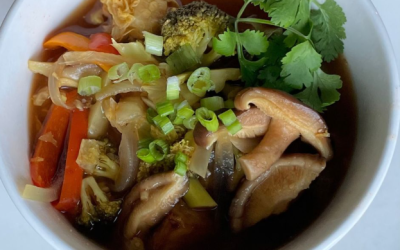
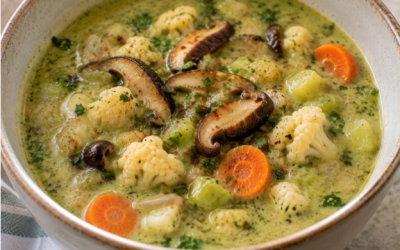
Things like green smoothies and juices, vegetable sticks with delicious omega-3 fat-rich dips, steamed or raw vegetables, and chia seed drinks or porridges are the most helpful here.
Ghrelin and Leptin Optimization Strategy for the Holidays
To keep the extra weight from creeping in this holiday season, follow these guidelines:
- Start your day with a low to moderate carbohydrate meal that includes ample protein. You can include choices that will stabilize your glucose, insulin, and leptin levels and keep you satisfied for hours if you include more:
- green smoothies made with low-glycemic fruits like berries and green apples
- green juices
- shakes made with powdered greens and veggie protein powder for when you’re in a hurry
- chia-rich meals like shakes or porridge
- Do a 30-second burst of high intensity exercise every couple of hours to increase fat burning.
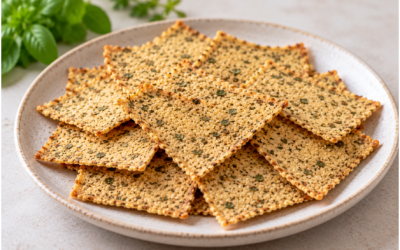
- Be prepared. Make a variety of delicious vegetable dishes and dips to satisfy the nibbles when everyone else is eating the low-nutrient, high-calorie hors d’oeuvres and hoarding away the extra pounds. If you’re looking for ideas, click here.
 Learn delicious alternatives for traditional dishes. There are all sorts of great book resources for Thanksgiving and winter holiday ideas. You can also find videos and recipe guides.
- Satisfy your sweet tooth healthfully. While sweet desserts, even the healthy, gluten-free raw kind are not the best for daily consumption when you have a few extra pounds, they are welcome and delicious alternatives to traditional apple pie, pumpkin pie, cookies and truffles. All you need are some mouth-watering recipes and some guidance on how to recreate some sweet treats.
- Pace yourself. Eat slowly, give thanks for every bite and truly enjoy. Then stop when you get the signal you’ve had enough.
- Wait to be really hungry before you eat your next meal. Remember, ghrelin, the appetite stimulating hormone, is your friend. You burn more fat when you’re hungry than when you’re full. Spacing your meals allows for the normal ebb and flow of leptin so you can retrain your brain to turn off your appetite when you’ve had enough.
Above all, learn to eat with an attitude of gratitude, fully conscious of the effects the food has in your body. You are what you eat, digest, and absorb. Keep that in mind as you eat.
Do I want this to become a part of my cell structure? What you put in and on your body becomes your body, so choose wisely.


0 Comments
Trackbacks/Pingbacks