

I’ve always believed food should do more than fill your stomach. It should nourish your cells, support your body’s natural intelligence, and give you the raw materials needed to thrive.
That belief became even more personal for me after losing my mom suddenly to a heart attack at just 56. She was someone I loved deeply, and like so many people, she was never given the information she needed about prevention, metabolism, inflammation, and the daily choices that shape our health over time.
That is why I became so passionate about helping people understand that food is information. Every meal sends signals to your hormones, your immune system, your microbiome, and your cardiovascular system.
This is exactly why I love recipes like this Roasted Cauliflower and Kale Soup.
Healthy food does not have to be boring or leave you feeling deprived. It can be satisfying, comforting, and full of flavor while still supporting the systems that keep you energized, strong, and resilient.
This is the type of recipe I wish everyone had learned early in life. It has simple ingredients, incredible flavor, and powerful support for your body.
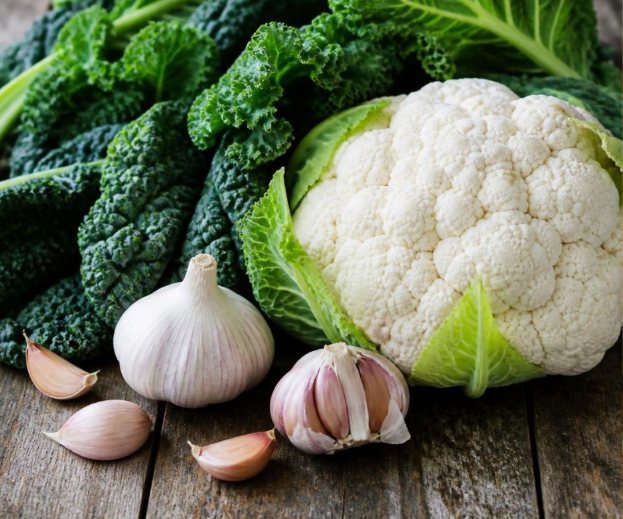
What Is Roasted Cauliflower and Kale Soup Made Of?
Roasted Cauliflower and Kale Soup is a creamy, savory, vegetable-packed soup with layers of rich flavor and satisfying texture. Roasting the cauliflower, garlic, and onions creates a naturally sweet, caramelized depth that gives the soup a comforting richness without the need for dairy.
The cauliflower blends into a smooth, velvety base, while the kale adds a beautiful earthy flavor and a boost of nutrients. Thyme adds a warm herbal note, a little cayenne gives it that gentle kick of spice, and pumpkin seeds provide the perfect finishing touch with a satisfying crunch.
This soup is proof that simple vegetables can create something incredibly nourishing and delicious. It is cozy enough for a cool evening, yet light enough to enjoy any time you want a nutrient-dense meal that leaves you feeling energized.

How Do You Make Roasted Cauliflower and Kale Soup?
The secret to this soup is the roasting step. Taking a few ingredients like cauliflower, garlic, and onion and giving them time in the oven completely changes the flavor. The vegetables become tender, golden, and naturally sweeter, creating a rich foundation that makes this soup taste like it simmered all day.
Once roasted, everything comes together beautifully with water, thyme, a touch of cayenne, and sea salt before being blended into a smooth, creamy soup. The final addition of kale gives it a vibrant color and fresh finish.
This recipe fills your kitchen with incredible aromas and reminds you that nourishing food can be simple and satisfying. There are no complicated ingredients or hours in the kitchen.
How Do You Customize This Recipe?
Make this soup your own with simple swaps and additions:
- Boost the protein: Blend in hemp seeds, white beans, or even some unflavored protein powder.
- Create a creamier texture: Use unsweetened plant-based milk in place of the water or blend in some cashews or hemp seeds.
- Increase the greens: Add spinach, broccoli, or extra kale for even more phytonutrients.
- Change the flavor profile: Add ginger, rosemary, curry spices, or smoked paprika for a different twist.
Looking for more soup recipes? Check out this Creamy Asparagus Soup. Maybe you want more cruciferous veggies in your day? Try this family favorite, Broccoli with “Cheese”.

How Do These Ingredients Help With Blood Sugar Balancing, Heart Health, And Other Hormones?
This Roasted Cauliflower and Kale Soup combines cruciferous vegetables, sulfur-rich compounds, herbs, and mineral-rich seeds to create a powerful blend for metabolic and endocrine health. These ingredients support the systems that influence hormone balance, including insulin regulation, estrogen metabolism, thyroid resilience, stress response, and cardiovascular function.
Cauliflower
Cauliflower is a member of the cruciferous vegetable family, known for its unique compounds that support hormone metabolism. It contains glucosinolates that are converted into compounds such as indole-3-carbinol (I3C), that support healthy estrogen metabolism by encouraging the breakdown of estrogen into safer metabolites.
Its high fiber content also supports blood sugar regulation by slowing digestion and reducing the demand for insulin after meals. This helps support pancreatic health by reducing repeated stress on insulin-producing beta cells.
Cauliflower also contains antioxidants and sulfur-containing compounds that activate cellular defense pathways which helps protect tissues from oxidative stress. Its potassium content supports healthy blood pressure regulation, while its fiber can assist with cholesterol management by helping remove bile acids through the digestive tract.
Garlic
Garlic is one of the most studied culinary herbs for cardiovascular and metabolic health. Its sulfur-containing compounds, including allicin, contribute to antioxidant and anti-inflammatory activity that supports vascular function.
Garlic compounds have been shown to support healthy insulin sensitivity and glucose metabolism. Research has explored garlic’s role in improving markers associated with metabolic syndrome, including insulin resistance and lipid balance.
For heart health, garlic supports blood vessel relaxation by influencing pathways involved in nitric oxide production and vascular tone. It may also support healthy cholesterol levels and platelet function, helping maintain healthy circulation.
To maximize garlic’s beneficial compounds, crushing or chopping garlic and allowing it to rest before cooking helps activate enzymes involved in allicin formation.
Onion
Onions provide cardiovascular and metabolic benefits through compounds including quercetin and organosulfur compounds. Quercetin is a flavonoid antioxidant that helps regulate inflammatory pathways and supports healthy blood vessel function.
Onions contain prebiotic fibers, including inulin, that feed beneficial gut bacteria. These bacteria produce short-chain fatty acids that influence metabolic signaling, including hormones involved in appetite regulation and glucose balance.
Onions also support cardiovascular health by promoting healthy blood pressure, lipid metabolism, and vascular function.
Thyme
Thyme may be a small ingredient, but it brings a concentrated source of plant compounds including thymol, carvacrol, and rosmarinic acid. These compounds support antioxidant defenses and help regulate inflammatory pathways.
Research suggests thyme compounds may support healthy glucose metabolism through pathways involved in insulin signaling. Thyme also contains vitamin B6, a nutrient involved in neurotransmitter production and stress response regulation.
Its antioxidant compounds support vascular health by helping protect the delicate lining of blood vessels from oxidative stress which supports healthy circulation and cardiovascular function.
Cayenne Pepper
Cayenne provides its heat from capsaicin, a compound that interacts with metabolic and vascular pathways. Capsaicin activates receptors that influence metabolism, inflammation, and blood vessel function.
Capsaicin influences insulin sensitivity by reducing inflammatory signaling associated with metabolic dysfunction. It can also influence appetite hormones and satiety pathways, helping regulate hunger signals.
From a cardiovascular perspective, capsaicin supports circulation by encouraging nitric oxide production and healthy vascular relaxation. Even a small amount adds flavor complexity while supporting metabolic health.
Kale
Kale is one of the most nutrient-dense leafy greens, providing fiber, magnesium, potassium, vitamin C, vitamin K, and many phytonutrients. Like cauliflower, kale contains glucosinolates and indole-3-carbinol to support estrogen metabolism.
Its antioxidants, including quercetin and kaempferol, help protect cells from oxidative stress and support insulin signaling. The fiber in kale also supports the microbiome and helps regulate glucose absorption.
Kale’s mineral content supports cardiovascular health by promoting healthy blood pressure and vascular function. Vitamin K also plays an important role in maintaining healthy bone and arterial tissue.
Pumpkin Seeds
Pumpkin seeds add magnesium, zinc, plant-based protein, healthy fats, and phytosterols that support endocrine and cardiovascular health.
Zinc is essential for thyroid hormone production, reproductive health, and immune function. Magnesium supports insulin sensitivity, relaxation of blood vessels, and healthy stress response pathways.
Pumpkin seeds also contain plant sterols that compete with cholesterol absorption in the digestive tract, supporting healthy LDL cholesterol levels. Their healthy fats and antioxidants support vascular health and inflammation balance.

This soup is the perfect reminder that supporting your health does not require complicated recipes or exotic ingredients. A few simple vegetables, herbs, and seeds can create a meal that supports your metabolism, feeds your microbiome, and delivers incredible flavor. This soup belongs in your regular rotation.

Roasted Cauliflower and Kale Soup
Equipment
- 1 baking sheet
- 1 Parchment paper
- 1 blender or immersion blender
- 1 large pot
Ingredients
- 1 head cauliflower, cut into florets
- 4 pcs large cloves garlic, peeled
- 1 pc large yellow onion, peeled and sliced into ¼-inch thick pieces
- 1 cups filtered water
- ¼ tsp dried thyme
- 1 pinch cayenne pepper (optional, to taste)
- 1 tsp pink Himalayan salt or sea salt
- 4 cups baby kale leaves
- ¼ tsp Himalayan salt
- Pumpkin seeds for garnish (optional)
Instructions
- Roast the vegetables: Spread the cauliflower, garlic, and onions on a parchment-lined baking sheet and roast until tender and caramelized, creating the rich, savory flavor foundation for the soup.
- Build the soup base: Add the roasted vegetables to a large pot with water, thyme, cayenne, and salt. Bring to a boil, then reduce heat and simmer for 10 minutes to allow the flavors to come together.
- Blend until creamy: Use an immersion blender or high-speed blender to puree the soup until smooth and velvety.
- Add the greens: Stir in the kale and cook uncovered until it gently softens and blends into the soup.
- Finish and serve: Ladle into bowls and top with pumpkin seeds for a satisfying crunch and beautiful finishing touch.
Nutrition
Where Can You Find This And Other Nutritious And Delicious Recipes Like It?
This recipe is from the Healing Kitchen episode: Fall Soups with Karen Osborne. You can find out more about Karen at www.myfoodfitnessandfun.com.
Ready to go deeper? The Unstoppable Health Community gives you everything you need to heal, rebalance, and thrive, including a curated library of food-as-medicine tools, personalized wellness assessments, and live monthly sessions with functional health experts. Join the Unstoppable Health Community Today
For more recipes like this, explore our recipe books inside the Unstoppable Health Hormone Harmony Marketplace.





0 Comments