
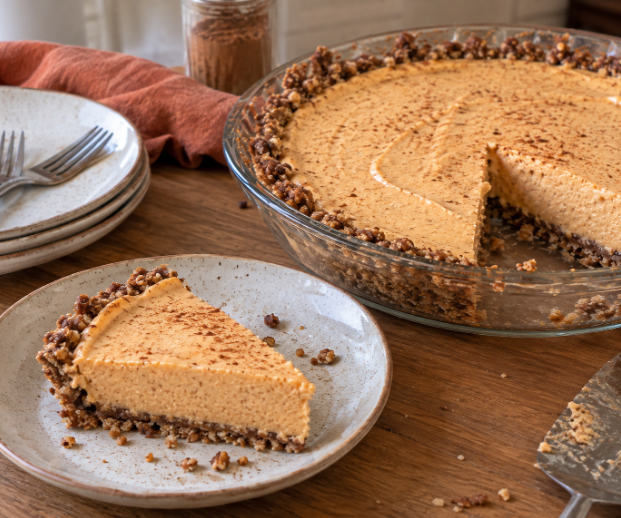
Pumpkin pie has always been one of those foods that makes me think about how much we can change the way we celebrate without giving up the foods we love.
I have never been interested in telling people they need to give up traditional foods to be healthy. I am much more interested in coming up with ways to make those foods healthy. I start with whole foods and build from there.
This Cultured Pumpkin Pie is a perfect example. It takes the familiar flavors of pumpkin pie and gives them a very different foundation, and yes, it is still pie.
Healthy food should still be fun, and holiday traditions should bring back wonderful tastes and memories.
What Is Cultured Pumpkin Pie Made Of?
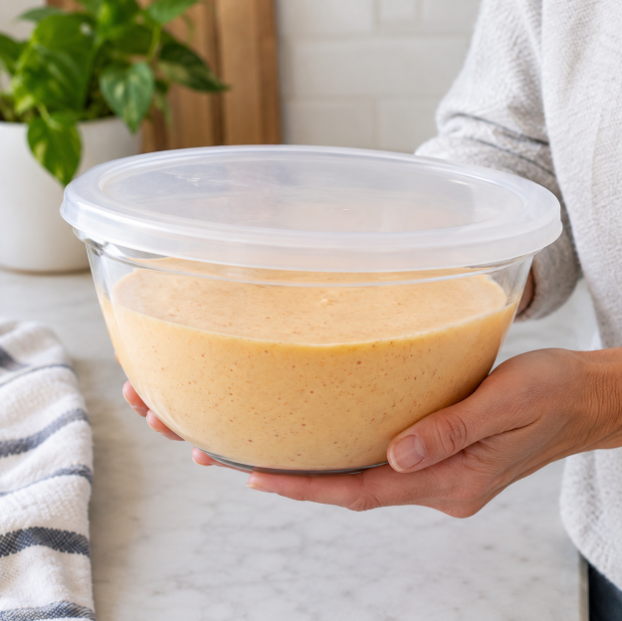
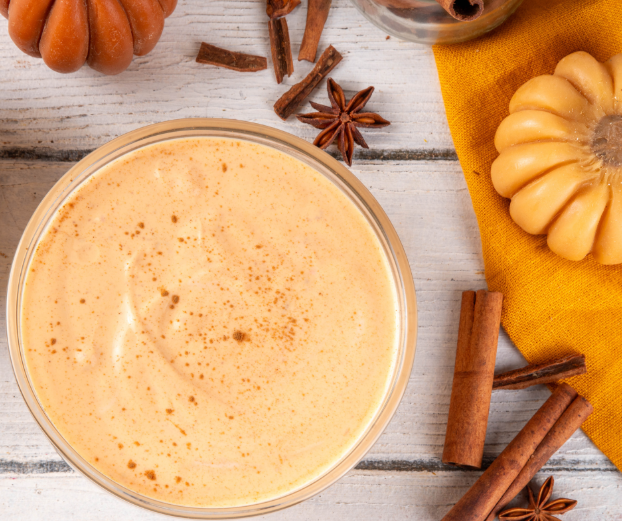
The filling is creamy and silky, with the naturally, earthy sweetness of pumpkin balanced by coconut, vanilla, and classic pumpkin pie spices. Cinnamon, ginger, nutmeg, allspice, and cloves give it that unmistakable holiday flavor, while fermentation adds a subtle tang that keeps the richness in balance.
The smooth filling pairs beautifully with a separate pecan and chia crust, which adds a pleasant, nutty contrast, and pumpkin is just the beginning. You can also make this pie with winter squash, sweet potatoes, carrots, or even purple yams for a delicious variation.
How Do You Make Cultured Pumpkin Pie?
This pie starts with the pumpkin or squash being processed into a very fine puree, then blended with creamy coconut milk or coconut cream and melted coconut oil until the mixture becomes completely smooth. The yogurt starter goes in at the end, so the mixture is ready for its fermentation period.
This is where the recipe gets interesting. Instead of immediately pouring the filling into a crust, you let the mixture ferment, covered, at body temperature for several hours. That gives the cultured base time to develop its characteristic tang, before the erythritol, lecithin, spices, salt, and vanilla are blended in. (Set it in a dehydrator or electric oven with only the light on.)
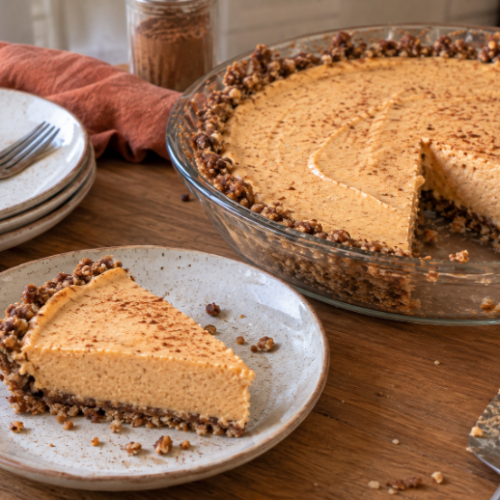
Once the filling is smooth and flavorful, it goes into the prepared pecan-chia crust and chills until firm. A little cinnamon, orange zest, or coconut whip on top makes it look like a holiday centerpiece without requiring a complicated decorating project.
How Do You Customize This Recipe?
This recipe is wonderfully flexible, so you can change the personality of the pie without rebuilding it from scratch.
Switch up the squash. Pumpkin is classic, but try delicata, butternut, kabocha, or another naturally sweet winter squash. Sweet potato, carrot, or purple yam can also create a completely different color and flavor.
Give it an orange-spice twist. Add fresh orange zest to the filling and finish the pie with a little more zest just before serving.
Go extra gingery. Increase the ginger for a brighter, spicier filling, or add a little freshly grated ginger for a more pronounced flavor.
Make it chocolate. A small amount of cacao can take this in a completely different direction, creating a chocolate-pumpkin variation.
Change the crust. The pecan-chia crust works beautifully, but you can use another raw nut-and-seed crust or serve the cultured pumpkin filling in individual dessert cups for a pudding-like dessert (or breakfast!).
Make individual pies. Instead of one large pie, divide the filling among small ramekins or dessert molds for individual servings that are easy to serve at a holiday gathering.
The fermentation step is one thing that makes this pie different from a conventional pumpkin dessert, and if you’re interested in bringing more fermented foods into your kitchen, try my Easy Dairy-Free Cashew Yogurt.

How Do These Ingredients Help With Blood Sugar Balancing, Heart Health, and Other Hormones?
This pie brings together several foods with very different nutritional strengths. Pumpkin or winter squash provide carotenoids, fiber, potassium, and other plant compounds, while pecans, chia, coconut, and sunflower lecithin add healthy fats, minerals, fiber, and bioactive compounds.
For metabolic health, the most interesting feature is the combination of fiber, fat, and plant compounds with a low-sugar sweetener. The recipe is designed around whole-food ingredients, and the fermented component also makes this recipe especially interesting from a gut-health perspective.
Pumpkin
Pumpkin is rich in carotenoids, like beta-carotene, alpha-carotene, lutein, and zeaxanthin, as well as potassium, vitamin C, fiber, and other antioxidant compounds. Beta-carotene can be converted to vitamin A, which is important for immune function, epithelial integrity, reproduction, and cellular differentiation.
The fiber and carotenoids in pumpkin also make it interesting for metabolic and cardiovascular health. Plant foods rich in carotenoids add antioxidant defenses, while fiber supports healthy digestion and provides substrate for the gut microbiome.
Coconut Milk and Coconut Oil
Coconut adds richness and texture while providing fats that make the filling creamy and satisfying. Coconut also contains small amounts of minerals and plant compounds, while coconut milk provides some of the water and fat that give the filling its smooth consistency.
The coconut oil in this recipe is also a concentrated source of saturated fat, so this is one ingredient where quantity matters. Coconut oil can certainly have a place in a whole-food plant-based recipe contributing richness, creaminess, and satisfying texture while complementing the naturally nutrient-dense ingredients in the filling.
Pecans
Pecans provide monounsaturated fats, fiber, magnesium, zinc, copper, and a variety of polyphenols. Their plant compounds include flavonoids and phenolic compounds that add to antioxidant activity and cellular protection.
The minerals in pecans are also relevant to metabolic and endocrine function. Magnesium participates in glucose metabolism, energy production, and hundreds of enzymatic reactions, while zinc and copper contribute to immune function, antioxidant defenses, and cellular signaling.
Chia Seeds
Chia seeds are particularly valuable in the crust, because they provide soluble fiber, alpha-linolenic acid, minerals, and plant protein. When hydrated, their soluble fiber forms a gel that helps create the structure of the crust while also slowing digestion.
That viscous fiber is particularly interesting for blood sugar and gut health, because it can slow the movement and absorption of nutrients through the digestive tract and provides fermentable material for gut microbes. Chia also provides plant-based omega-3 ALA, which contributes to a heart-supportive dietary pattern.
Love chia? Try my Chocolate Chia Pudding for another creamy, low-glycemic way to put this versatile seed to work.
Pumpkin Pie Spices
The spice blend is small, but it is not nutritionally insignificant. Cinnamon, ginger, nutmeg, allspice, and cloves contain a wide variety of polyphenols and aromatic compounds with antioxidant and anti-inflammatory activity.
Cinnamon and ginger have received particular attention for their potential effects on glucose metabolism and inflammatory signaling, while cloves are especially rich in polyphenolic compounds. The quantities used in a serving of pie are culinary rather than therapeutic, but these spices add a meaningful variety of plant compounds.
Sunflower Lecithin
Sunflower lecithin provides phospholipids that help emulsify the fats and water in the filling, giving the pie its smooth, creamy texture. Phospholipids are also important structural components of cell membranes and participate in cellular signaling.
The phosphatidylcholine and other phospholipids found in lecithin contribute choline, a nutrient involved in cell-membrane structure, neurotransmitter production, and lipid transport. Choline is particularly relevant to brain and nervous-system function as well as normal liver lipid metabolism.
Fermentation
Fermentation allows microorganisms from the starter culture to transform components of the food and can produce organic acids and other metabolites that influence flavor and digestibility.
Fermented foods have been studied for their potential to support microbial diversity, digestive health, immune function, and metabolic health, making the fermentation step much more than a technique for creating a tangy flavor.

This Cultured Pumpkin Pie gives you a completely different way to enjoy pumpkin pie while keeping the ingredients firmly rooted in whole-food nutrition. It is creamy, festive, make-ahead friendly, and interesting enough to give your holiday table something to talk about.
If you love reinventing classic desserts with whole-food ingredients, explore my healthy dessert ideas for more inspiration.
Cultured Pumpkin Pie Recipe
Equipment
- 1 food processor
- 1 High Speed Blender
- 1 fermentation container
- 1 springform pan
- 1 Refrigerator
Ingredients
Cultured Pumpkin Pie Filling
- 3 cups pumpkin pie pieces or 2 cups pumpkin puree
- 1¾ cups coconut milk or coconut cream
- ¾ cup coconut oil melted
- ½ teaspoon yogurt starter
- 1 cup erythritol
- 2 tablespoons sunflower lecithin
- 1 tablespoon pumpkin pie spice
- ½ teaspoon salt
- 1 teaspoon vanilla
Pumpkin Pie Spice
- 4 parts cinnamon
- 2 parts ginger
- 1 part nutmeg
- 1 part allspice
- ½ part cloves
Pumpkin Pie Crust
- 1 cup pecans
- 3 tablespoons erythritol
- 3 tablespoons chia seeds
- ¼ cup coconut oil melted
- ¼ teaspoon salt
- 1½ cups almond flour or dehydrated pulp
Instructions
Directions for Cultured Pumpkin Pie Filling
- Process the pumpkin pieces in a food processor until very fine, then blend until liquefied. Add the pumpkin puree, coconut milk or cream, and melted coconut oil to a blender and process until completely smooth, drizzling in the oil as it blends. Add the yogurt starter at the end.
- Transfer the mixture to a suitable fermentation container and ferment at body temperature for 8 to 12 hours.
- Once fermentation is complete, blend in the erythritol, sunflower lecithin, pumpkin pie spice, salt, and vanilla until smooth and creamy. Pour into the prepared crust and refrigerate until firm.
- Finish with a sprinkle of cinnamon, fresh orange zest, or your favorite coconut whip.
Directions for Pumpkin Pie Crust
- Process the pecans and chia seeds until roughly powdered. Add the almond flour or dehydrated pulp, salt, and erythritol and process briefly to combine. Add the melted coconut oil while processing until the mixture comes together.
- Press the crust firmly into the base of a springform pan and refrigerate until firm before adding the pumpkin filling.
- This crust can also be used as a base for other pies or fermented cheesecakes.
Nutrition
Where Can You Find This and Other Nutritious and Delicious Recipes Like It?
This recipe is from the Healing Kitchen episode, Pumpkin and Winter Squash Based Ferments with Steph Jackson. You can find out more out more about Steph at www.friendlyfloracollective.com
Ready to go deeper? The Unstoppable Health Community gives you everything you need to heal, rebalance, and thrive, including a curated library of food-as-medicine tools, personalized wellness assessments, and live monthly sessions with functional health experts. Join the Unstoppable Health Community Today

0 Comments