

I have spent a lot of years watching people try to fix their health by adding more and more things to their routine from more supplements to more protocols and more complicated rules about what they can and cannot eat.
Sometimes the body needs something much simpler like real food. Food that is easy to digest, packed with nutrients, and gentle enough to become a regular part of your day.
That is part of why I created this Gut Repair Soup. It is created around vegetables instead of powders, pills, or processed ingredients. You can make it with whatever combination of greens and vegetables works for you.
It is simple food, but simple does not mean insignificant. A bowl like this can deliver a generous variety of fibers, minerals, carotenoids, polyphenols, and other plant compounds that support the gut, metabolism, and overall health.
What Is Gut Repair Soup Made Of?
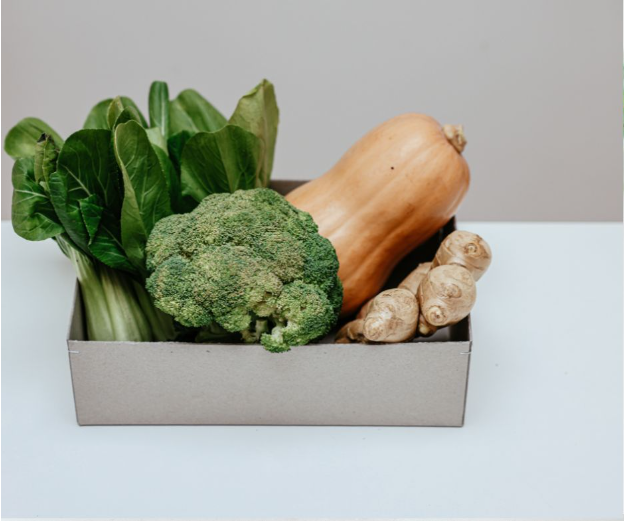
This is a simple, creamy vegetable soup with a surprisingly fresh flavor. Broccoli provides the backbone, while zucchini and celery add lighter, more delicate flavors. Onions add depth, and leafy greens bring an earthy richness. If you add sweet potato or winter squash, the soup becomes naturally sweeter and a little more substantial.
How Do You Make Gut Repair Soup?
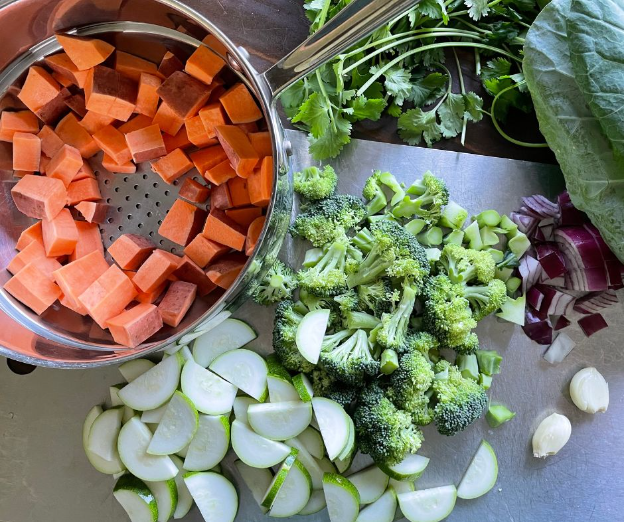
Keep it simple. If you are using sweet potato or winter squash, start steaming it first, because it takes longer to soften. Then, add the broccoli, zucchini, celery, onion, and greens, and steam everything until tender.
Once the vegetables are soft, transfer them to the blender with some of the flavorful steaming water. Blend until smooth, adding more water until you reach the consistency you like. I love how the vegetables themselves create the body of the soup, so there is no need to add anything.
Finish with a pinch of sea salt and your favorite fresh herbs. The original recipe also includes the option of food-grade essential oils or extracts, but these are completely optional. If you use them, choose only products specifically labeled for culinary use and follow the manufacturer’s directions.
How Do You Customize This Recipe?
One of the things I love about a recipe like this is that it gives you a nourishing foundation without locking you into one exact flavor profile. Once you have the basic soup down, you can take it in some interesting directions depending on what you are craving.
Want a little more richness? Stir in a spoonful of tahini or blend in a small amount of avocado for a creamier soup.
Craving something savory? Add nutritional yeast, a little white miso, or a splash of coconut aminos for more depth.
Want some brightness? Finish your bowl with fresh lemon or lime juice and a handful of fresh parsley.
Looking for a little texture? Top the smooth soup with pumpkin seeds, hemp hearts, chopped fresh herbs, or a few finely diced raw vegetables.
Want more warming spice? Try fresh turmeric, a pinch of ginger, or a little freshly ground black pepper.
Making it a meal? Add a scoop of cooked lentils, quinoa, or another whole-food protein when you want something more substantial.
Love vegetable-packed soups? You might also enjoy my Creamy Southwest Cauliflower Soup, another creamy plant-based soup built around vegetables, herbs, spices, and whole-food ingredients.

How Do These Ingredients Help With Blood Sugar Balancing, Heart Health, and Other Hormones?
This soup brings together a wide variety of non-starchy vegetables and leafy greens, with optional sweet potato or squash for additional carbohydrate and natural sweetness. These foods provide fiber, potassium, magnesium, carotenoids, polyphenols, glucosinolates, and other phytochemicals that support the interconnected systems involved in gut, metabolic, cardiovascular, and endocrine health. Dietary fiber also interacts with gut microbes and contributes to the production of metabolites such as short-chain fatty acids.
Broccoli
Broccoli is a member of the cruciferous vegetable family and provides fiber, vitamin C, folate, potassium, and glucosinolates. One of its best-known glucosinolates, glucoraphanin, can give rise to sulforaphane, a compound that has received considerable attention for its ability to activate cellular defense pathways. Studies of broccoli and broccoli-derived compounds have demonstrated biological activity, although the strongest clinical evidence often involves concentrated broccoli sprouts.
I would not call broccoli a treatment for inflammation, detoxification, diabetes, or any other condition, but it is an excellent food to include regularly. It brings together fiber and a particularly interesting collection of sulfur-containing phytochemicals. Those compounds interact with cellular antioxidant and stress-response pathways, while the fiber contributes to the overall food environment that supports the gut microbiome. If you love finding creative ways to make broccoli the star of a meal, try this Raw Vegan Keto Broccoli with “Cheese”.
Zucchini
Zucchini is naturally low in carbohydrate and provides vitamin C, potassium, and carotenoids including lutein, beta-carotene, and zeaxanthin. These pigments are part of the plant’s antioxidant system.
Its mild flavor and high water content also make zucchini useful in a soup designed to be easy to eat. It adds volume and nutrients without contributing a large carbohydrate load, which can be helpful when creating meals around blood-sugar-conscious eating.
Celery
Celery provides potassium, vitamin K, fiber, and a range of phytochemicals, including apigenin, luteolin, and caffeic, ferulic, and p-coumaric acids. These compounds have antioxidant and anti-inflammatory properties, while celery’s potassium content supports healthy blood pressure regulation.
Celery is also interesting from a cardiometabolic perspective. Clinical research on celery has found improvements in blood pressure and fasting blood glucose, including significant reductions in systolic and diastolic blood pressure and fasting glucose with celery interventions.
Onion
Onions add quercetin and other flavonoids, sulfur-containing compounds, vitamin C, and prebiotic fructans that can feed beneficial gut microbes. Quercetin has been studied for its antioxidant, anti-inflammatory, cardiovascular, and metabolic effects, while the sulfur compounds found in onions contribute to the protective phytochemical profile.
From a hormone and metabolic perspective, onions are especially interesting, because their polyphenols and prebiotic fibers connect gut health, glucose regulation, and cellular signaling. Supporting a diverse gut microbiome can influence the production of microbial metabolites that communicate with tissues throughout the body, including pathways involved in metabolism and inflammation. Onions are a simple way to add both prebiotic fiber and protective plant compounds to an everyday meal.
Leafy Greens
Spinach, kale, chard, collards, and dandelion greens all bring different combinations of nutrients and phytochemicals to the soup. Depending on the green, these can include folate, vitamin K, vitamin C, magnesium, potassium, carotenoids, and polyphenols. Dark green vegetables are also important dietary sources of nitrate, which the body can convert to nitric oxide.
That nitrate pathway is particularly interesting for cardiovascular health because nitric oxide helps regulate vascular tone and blood flow. There is an inverse association between dietary nitrate from vegetables and several cardiovascular outcomes.
For another simple way to build hormone-supportive nutrition around greens and seeds, check out this Hormone-Balancing Seed & Mineral Salad Booster.
Sweet Potato or Winter Squash
Sweet potato is optional in this recipe, but it changes the soup in an important way. It adds more carbohydrate than the other vegetables while also providing fiber, potassium, carotenoids, and other phytochemicals. Orange-fleshed varieties are particularly rich in carotenoids, while purple varieties provide anthocyanins.
Because sweet potatoes contribute substantially more carbohydrate than broccoli, zucchini, celery, or leafy greens, portion size matters if you are specifically trying to keep blood glucose steady. Adding a modest amount to a soup dominated by non-starchy vegetables creates a very different meal from eating a large serving of sweet potato by itself. If you want the lowest-carbohydrate version, simply leave it out.
Fresh Herbs
Basil, cilantro, and other fresh herbs may be used in small amounts, but they can add vitamin K, vitamin C, carotenoids, polyphenols, and other plant compounds. Herbs are an easy way to increase the diversity of plant foods in a meal without adding much carbohydrate or energy.
Their contribution goes beyond nutrition labels, too. A soup that smells and tastes wonderful is much easier to make part of a regular eating pattern, and when the goal is long-term health, the foods you actually enjoy eating are the ones most likely to make it into your kitchen again and again.

This is exactly the kind of recipe I love having around when I want something simple and vegetable-packed without a lot of fuss. Make a pot when you have an abundance of vegetables and keep it ready for an easy meal when your body is asking for something warm, soothing, and uncomplicated.
Gut Repair Soup Recipe
Equipment
- 1 Steamer basket
- 1 blender
- 1 knife
- 1 cutting board
Ingredients
- 1 bunch broccoli
- 1 piece zucchini
- 1 stalk celery
- 1 piece medium onion
- 1 piece large sweet potato or winter squash optional
- 1 bunch leafy greens such as spinach, chard, collards, kale, or dandelion greens
- Water for steaming
- Sea salt to taste
- Fresh herbs such as basil or cilantro, to taste
- Optional: food-grade culinary essential oil or extract used according to the manufacturer's directions
Instructions
- If using sweet potato or winter squash, cut it into approximately 1-inch pieces and begin steaming it about 10 minutes before adding the remaining vegetables.
- Steam the broccoli, zucchini, celery, onion, and leafy greens until tender. Transfer the steamed vegetables to a blender and add some of the steaming water. Blend until smooth, adding more water as needed to reach your preferred consistency.
- Add a pinch of sea salt and fresh herbs to taste. If using a culinary essential oil or extract, add it according to the manufacturer's directions.
Notes
Nutrition
Where Can You Find This and Other Nutritious and Delicious Recipes Like It?
This recipe is adapted from Dr. Ritamarie’s ebook, G.R.A.N.D. Gut Repair & Alkalizing Nutrition for Digestion: GRAND Recipe Collection, found inside the Unstoppable Health Community. This Gut Repair Soup is just one example of how I like to approach food: simple, nutrient-dense, plant-centered, and delicious enough that you actually want to eat it.
Ready to go deeper? The Unstoppable Health Community gives you everything you need to heal, rebalance, and thrive, including a curated library of food-as-medicine tools, personalized wellness assessments, and live monthly sessions with functional health experts.
Join the Unstoppable Health Community Today
For more recipes like this, explore the recipe books inside the Unstoppable Health Hormone Harmony Marketplace.






0 Comments