
I’ve always loved taking familiar foods and turning them into something nutritious.
That became especially important to me as I watched people I love struggle with health problems. It made me question why we wait until the body is struggling, before we start paying attention to what we put on our plates.
My own health journey pushed that question even further. I wanted to understand why people could be eating what they were told was “healthy” and still struggle with energy, blood sugar, hormones, inflammation, and digestion. Food should be one of the tools we use to support the body every single day, and that does not mean eating boring food.
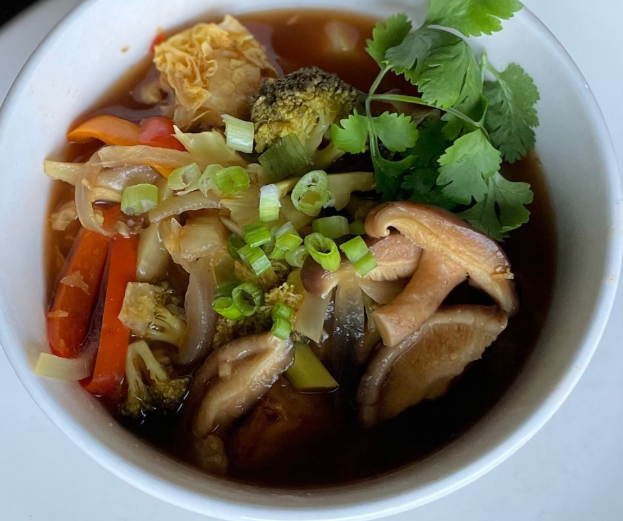
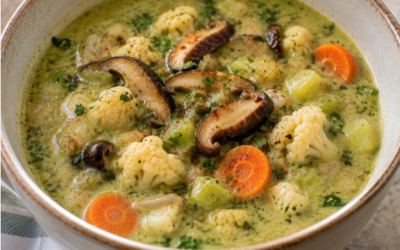
This Tom Yum Soup takes the bright, spicy, aromatic flavors of Thai cuisine and turns them into a nutrient-dense soup that can be prepared raw or cooked, depending on your mood.
It is savory, spicy, and packed with vegetables. In other words, this is not “health food” that asks you to sacrifice flavor.
What Is Tom Yum Soup Made Of?
This Thai-inspired Tom Yum Soup gets its bold, aromatic flavor from fresh ginger, lemongrass, galangal, lime, garlic, cilantro, and Thai curry paste. Coconut butter gives the broth a rich, creamy texture, and kelp adds a subtle savory depth.
Make it raw for a vibrant bowl filled with crisp vegetables and mushrooms, or gently warm the vegetables for a softer, more comforting soup. You can even combine the two, pouring the warm creamy broth over raw vegetables for the best of both worlds.
Whichever way you prepare it, the key is to make the broth bold and intensely flavored on its own, because the vegetables will mellow it once everything comes together.
The result is a bright soup layered with citrus, herbs, heat, and savory richness.

How Do You Make Tom Yum Soup?
The beauty of this recipe is that you can make it fresh and raw, warm and comforting, or somewhere in between.
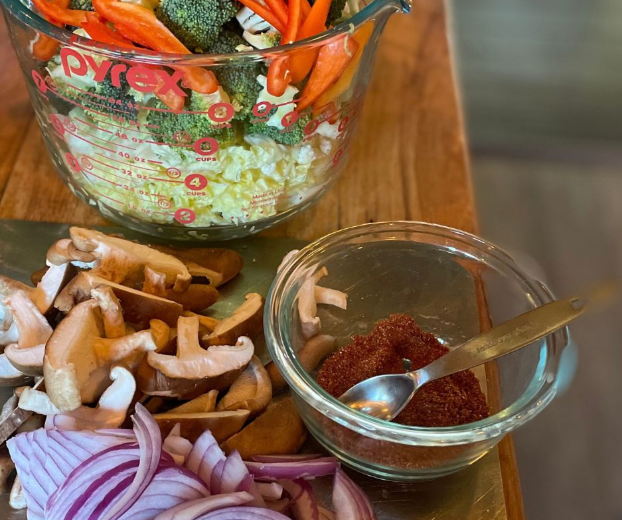
For the raw version, finely chop the broccoli, cauliflower, onion, red pepper, zucchini, cabbage, mushrooms, and greens. A little sea salt and some hands-on massaging soften the vegetables and release their juices.
The creamy, Thai-inspired broth comes together in the blender with coconut butter, garlic, ginger, lime, lemongrass, curry, galangal, kelp, and lemon juice. Make the broth a little more intense than you think you need because the vegetables will mellow the flavors once everything comes together.
For a warm version, steam the broccoli and cauliflower and save the steaming water. Blend some of the vegetables with the warm water and the creamy broth ingredients, then pour the mixture over the remaining vegetables and greens. If you prefer a completely smooth soup, blend all of the steamed vegetables into the broth instead.
Or try my favorite compromise: warm, creamy broth poured over fresh raw vegetables. You get the comforting warmth of a cooked soup with the freshness and crunch of raw vegetables.
If you don’t have prepared galangal or lemongrass infusions, you can make your own. For lemongrass infusion, cut fresh lemongrass into one-inch pieces, blend it with water, and strain through cheesecloth or a nut-milk bag. The same basic approach works for making a galangal infusion.
How Do You Customize This Recipe?
You can make this recipe work with whatever vegetables you already have on hand.
Want to switch up the vegetables? Try bok choy, daikon, snow peas, asparagus, fennel, or shredded jicama for a completely different bowl.
Need more heat? Add fresh jalapeño, Thai chili, cayenne, or extra curry paste for a fiery kick.
Craving more herbal flavor? Add Thai basil, mint, scallions, extra cilantro, or fresh ginger.
Want more richness? Add a little extra coconut butter or swirl in tahini for a creamier, more substantial broth.
Looking for more crunch? Top your soup with sprouts, radishes, water chestnuts, or fresh herbs.
If you love these Thai flavors, try my Thai Ginger Dressing, which brings ginger, lime, garlic, and warming spices together in another blood-sugar-friendly recipe.

How Do These Ingredients Help With Blood Sugar Balancing, Heart Health, and Hormones?
This soup combines whole-food ingredients to provide fiber, vitamins, minerals, carotenoids, polyphenols, sulfur compounds, and other plant compounds that support metabolic, cardiovascular, gut, and endocrine health.
Broccoli and Cauliflower
Broccoli and cauliflower are cruciferous vegetables rich in fiber, vitamin C, folate, potassium, and glucosinolates. When these vegetables are chopped or chewed, glucosinolates can give rise to compounds like sulforaphane and indole-related compounds that have been studied for their effects on cellular defense and hormone metabolism.
Cruciferous vegetables are particularly interesting from an endocrine perspective, because compounds derived from them can influence estrogen metabolism. Indole-3-carbinol can alter estrogen metabolite patterns, although that does not mean that eating broccoli or cauliflower directly “balances hormones.” Their fiber also contributes to a diverse diet that supports the gut microbiome.
Coconut Butter
Coconut butter adds healthy fat, some fiber, and a rich, creamy texture to the soup without dairy. Because the recipe combines a source of fat with colorful vegetables and herbs, the fat helps with the absorption of fat-soluble compounds such as carotenoids from ingredients like red pepper and leafy greens.
Ginger
Ginger contains powerful bioactive compounds, including gingerols and shogaols, that have been extensively studied for their antioxidant, anti-inflammatory, digestive, and metabolic effects. Ginger also has a long history of traditional use for supporting healthy digestion and reducing nausea and digestive discomfort.
Ginger may influence blood sugar regulation and insulin sensitivity with reported improvements in markers such as fasting blood glucose and HbA1c. These findings make ginger particularly interesting in a recipe designed to support metabolic health, especially when combined with fiber-rich vegetables and other phytonutrient-dense ingredients.
Lemongrass
Lemongrass contains a range of bioactive compounds, including citral, geraniol, flavonoids, and phenolic compounds. Citral is the major component of lemongrass essential oil and has been studied for antioxidant, anti-inflammatory, antimicrobial, and metabolic effects. Lemongrass extracts also contain polyphenols such as quercetin, kaempferol, luteolin, and apigenin.
Lemongrass and its constituents can influence inflammatory and oxidative-stress pathways, including pathways involving nitric oxide and inflammatory signaling. Lemongrass tea may also influence blood pressure.
Galangal
Galangal is related to ginger and has a sharper, peppery citrus flavor. It contains flavonoids and other phenolic compounds, including galangin, that have demonstrated antioxidant activity.
Mushrooms
Mushrooms are rich in fiber, B vitamins, minerals, and unique fungal polysaccharides. These compounds are of particular interest for their interactions with the gut microbiome.
Mushroom polysaccharides can interact with intestinal microbes and influence microbial composition and the production of short-chain fatty acids.
Leafy Greens
Spinach, kale, and other leafy greens contain folate, vitamin C, vitamin K, carotenoids, magnesium, potassium, and a variety of polyphenols. These nutrients contribute to normal cellular metabolism, antioxidant defenses, and cardiovascular function.
Their fiber and diverse plant compounds also add to overall dietary plant diversity. Rotating among different greens is an easy way to broaden the range of nutrients and phytochemicals in your meals.
Garlic
Garlic is one of the most medicinal foods in this recipe. When fresh garlic is chopped or crushed, alliinase converts alliin into allicin, a potent sulfur-containing compound. Garlic also provides other organosulfur compounds that have been studied for antioxidant, anti-inflammatory, antimicrobial, cardiovascular, and metabolic effects.
Garlic is particularly interesting for cardiometabolic health. Garlic can improve markers including blood glucose, HbA1c, triglycerides, cholesterol, and blood pressure.
Cilantro
Cilantro contains vitamin K, vitamin C, carotenoids, and a variety of aromatic plant compounds. Fresh herbs also add plant diversity without adding significant amounts of carbohydrate.
Colorful Vegetables, Curry, and Citrus
Onion, red pepper, zucchini, and cabbage add fiber, vitamin C, carotenoids, flavonoids, and other phytochemicals while increasing the diversity of vegetables in the meal. Onions provide compounds such as quercetin and sulfur-containing compounds, and red peppers are rich in vitamin C and carotenoids.
Thai curry paste, lime, lemongrass, and lemon add herbs, spices, citrus compounds, and polyphenols to the recipe. These ingredients create layers of flavor without relying on refined sugar, dairy, or highly processed sauces.
Kelp
Kelp supplies iodine, an essential mineral required for the production of thyroid hormones T4 and T3. Thyroid hormones regulate metabolic activity and play important roles throughout the body.
Iodine needs vary among individuals, and kelp can contain highly variable amounts of iodine. More is not necessarily better, particularly for people with thyroid conditions or those who are sensitive to changes in iodine intake. In this recipe, a small amount of kelp adds savory depth while providing iodine, making it an ingredient to use thoughtfully rather than in large quantities.

You can make this recipe raw when you want something fresh and vibrant, cook it when you want something warm and comforting, or combine the two approaches for a bowl with creamy broth and crisp vegetables. Once you have the basic flavor profile down, you can change the vegetables and seasonings based on whatever you have on hand.
That kind of flexibility is exactly what makes healthy eating sustainable.
Thai-Inspired Tom Yum Soup
Equipment
- 1 blender
- 1 large mixing bowl
- 1 knife
- 1 cutting board
- 1 steamer
Ingredients
- 1 head broccoli
- 1 head cauliflower
- 1 cup mushrooms sliced
- 1 cup leafy greens such as spinach, kale, or baby arugula
- ¼ piece onion chopped
- 1 piece red pepper chopped
- 1 piece zucchini chopped
- ¼ head cabbage chopped
- 2 tablespoons coconut butter
- 1 large garlic clove
- ¾ inch piece fresh ginger
- 2 cups water
- ¼ teaspoon kelp powder
- ¼ cup galangal infusion
- ½ teaspoon lemon juice
- ½ cup fresh cilantro
- ¼ teaspoon Thai curry paste
- Lime and lemongrass to taste
- Sea salt to taste
Instructions
For a raw soup:
- Chop the vegetables finely and place them in a large bowl. Sprinkle with a little sea salt and massage them with your hands until they begin to soften and release some of their juices. Blend the remaining ingredients with room-temperature water until smooth and creamy. Pour the broth over the vegetables and stir to combine.
For a warm soup:
- Steam the broccoli and cauliflower until tender, reserving the steaming water. Blend about half of the steamed vegetables with the warm steaming water and the remaining ingredients until smooth and creamy. Chop the remaining steamed vegetables and combine them with the mushrooms and greens. Pour the warm broth over the vegetables and stir to combine.
For the best of both:
- Use the warm blended broth over a combination of steamed and raw vegetables. You’ll get the comforting warmth of a cooked soup with the fresh crunch and color of raw vegetables.
Notes
Nutrition
Where Can You Find This and Other Nutritious and Delicious Recipes Like It?
This Tom Yum Soup recipe comes from the Healing Kitchen Show episode, East Meets West with Dr. Ritamarie. It is a great example of the kind of food I love creating. It is nutrient-dense, full of flavor, and flexible enough to fit the way you actually want to eat.
Ready to go deeper? The Unstoppable Health Community gives you everything you need to heal, rebalance, and thrive, including a curated library of food-as-medicine tools, personalized wellness assessments, and live monthly sessions with functional health experts.
Join the Unstoppable Health Community Today
For more recipes like this, explore our recipe books inside the Unstoppable Health Hormone Harmony Marketplace.




0 Comments