
What Is The Cardiovascular System?
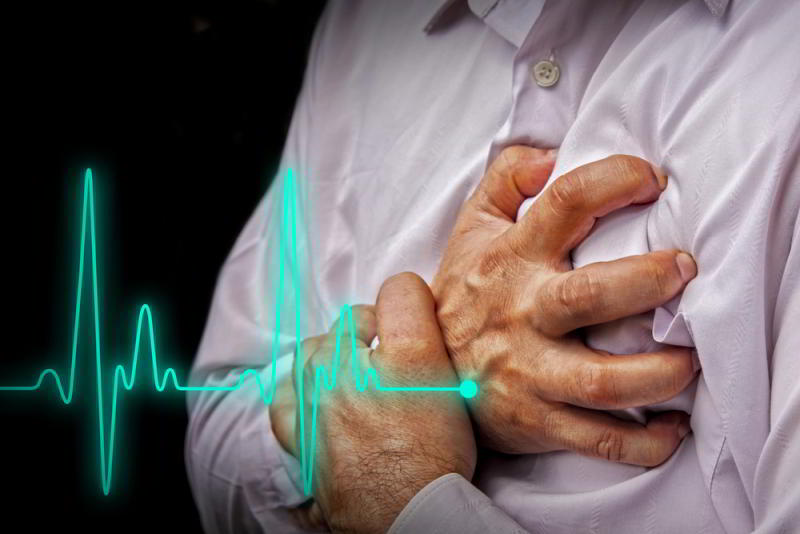
The cardiovascular system, also known as the circulatory system, is a complex network of organs and vessels responsible for transporting blood, oxygen, nutrients, hormones, and other essential substances throughout the body.
It consists of the heart, which is the central organ of the cardiovascular system. It is a muscle with a primary function of pumping blood to the lungs for oxygen circulation, and then pumping the blood to the rest of the body.
The heart pumps the blood and other essential substances, through the blood vessels, which are divided into 3 main parts. Arteries carry oxygen-rich blood away from the heart to the whole body. Veins carry oxygen-depleted blood back to the heart. Lastly, the Capillaries, which are tiny, thin-walled vessels, connect the arteries and the veins.
The last part of the cardiovascular system is the blood. Blood is composed of plasma, red blood cells, white blood cells, and platelets. It carries oxygen from the lungs to the body’s tissues, transports nutrients absorbed from the digestive system, removes waste products, and plays a crucial role in immune responses and maintaining homeostasis.
The cardiovascular system functions through a coordinated process of circulation, where blood is continuously pumped by the heart through the network of blood vessels to deliver oxygen and nutrients to cells and remove metabolic waste products. This process ensures the proper functioning of tissues and organs throughout the body and supports overall health and well-being.

Overlooked Lab Tests Most Doctors Don’t Tell You. Stay one step ahead of your Doctors.
Why Is Cardiovascular Blood Testing Important?
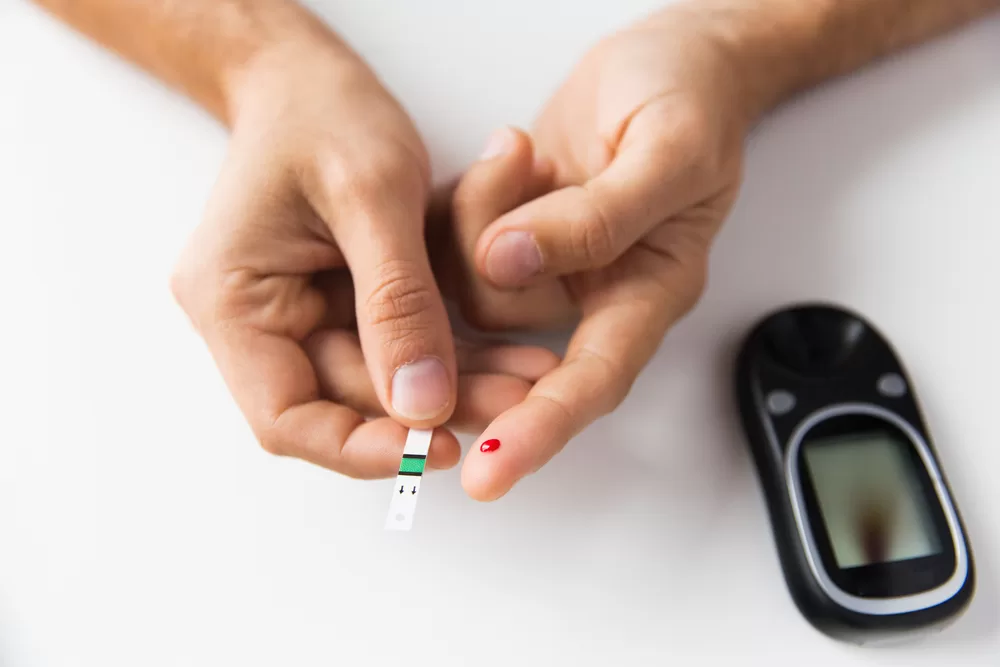
A cardiovascular blood test plays a pivotal role in your heart health, assessing the health of your heart and circulatory system and determining any risk of heart disease.
Cardiovascular blood tests help identify early heart disease, risk factors and other cardiovascular conditions. By a blood sample and measuring various biomarkers and indicators in the blood, these tests can detect abnormalities that may predispose you to heart attacks, strokes, and other cardiac events.
One of the key components of a cardiovascular blood test is the assessment of the lipid profile, which measures levels of cholesterol and triglycerides in the blood. Elevated levels of LDL cholesterol (often referred to as “bad” cholesterol) and triglycerides, as well as low levels of HDL cholesterol (“good” cholesterol), can increase your risk of heart disease including atherosclerosis and coronary artery disease.
In the event of a heart attack or other forms of cardiac injury, enzymes such as troponin and creatine kinase (CK-MB) are released into the bloodstream. Cardiovascular blood tests can detect elevated levels of these enzymes, providing critical information about the extent of heart muscle damage and guiding treatment decisions.
Chronic inflammation of blood vessel is a significant risk factor for cardiovascular disease. Blood tests can measure markers of blood vessel inflammation, such as Highly Sensitive C-reactive protein (HS-CRP) and Homocysteine, which can indicate underlying inflammation in the blood vessels and contribute to the development of atherosclerosis and cardiovascular events.

Types of Cardiovascular Blood Tests
There is no one size fits all or one cure or test to rule them out when it comes to health and wellness. That’s why it’s important to know and understand the different options that you have when it comes to your cardiovascular blood tests as well as other tests such as what they do and what they measure. Here are the main tests:
1. Lipid Profile
– What it measures: A lipid profile evaluates cholesterol levels, including total cholesterol, LDL (low-density lipoprotein), HDL (high-density lipoprotein), and triglycerides.
– Why it’s important: Elevated LDL cholesterol and triglyceride levels, along with low HDL cholesterol, can increase the risk of cardiovascular diseases such as heart attacks and strokes. HDL cholesterol is often referred to as “good” cholesterol because it helps remove LDL cholesterol from the arteries, preventing the buildup of plaque and reducing the risk of heart disease and stroke.
– Understanding the results: An abnormal lipid profile may indicate an increased risk of heart disease and other cardiovascular conditions. When LDL levels are elevated, it can contribute to the buildup of plaque in the arteries, leading to atherosclerosis and an increased risk of heart disease and stroke. When HDL levels are low, it may suggest reduced protection against cardiovascular issues, as there is less efficient removal of LDL cholesterol from the bloodstream.

2. Cardiac Enzyme Tests
– What they measure: Cardiac enzyme tests, including troponin and creatine kinase (CK-MB), detect enzymes released into the bloodstream during heart muscle damage.
– Why they’re important: These tests help diagnose heart attacks and assess the extent of heart muscle damage.
– Interpreting the results: An elevated troponin level in the blood indicate cardiac injury or damage, and this marker is commonly used to diagnose myocardial infarction (heart attack) and assess the severity of the event. Like troponin, elevated levels of CK-MB in the blood can indicate cardiac muscle damage, particularly damage to the myocardium (heart muscle) as seen in heart attacks. CK-MB isoenzyme levels rise within a few hours of a heart attack and typically return to normal within 48 to 72 hours after the event.
3. Highly Sensitive C-reactive Protein (CRP) Test
– What it measures: CRP is a marker of inflammation in the body, including inflammation of the blood vessels. C-reactive protein (CRP) is a substance produced by the liver in response to inflammation, and hs-CRP testing measures CRP levels with greater sensitivity and is a better marker than the basic CRP, allowing for detection of even low levels of inflammation.
– Why it’s important: Elevated hs-CRP levels are associated with various inflammatory conditions. Additionally, hs-CRP is a predictor of cardiovascular risk, as chronic low-grade inflammation is believed to contribute to the development and progression of cardiovascular disease.
– Utilizing the results: Measuring hs-CRP levels can help assess a person’s heart disease risk, such as heart attack and stroke, particularly in individuals with other risk factors, such as high cholesterol, hypertension, or diabetes.
4. Complete Blood Count (CBC)
– What it measures: A CBC evaluates various components of your blood, including red blood cells, white blood cells, and platelets.
– Why it’s important: Abnormalities in blood cell counts can provide insight into conditions such as anemia, infection, and clotting disorders, which may impact cardiovascular health.
– Importance of regular monitoring: Routine CBCs can help track changes in blood cell counts over time, enabling early detection of potential health issues. This can also help determine if further testing is needed.

How To Prepare for the Blood Test
Depending on your test or the recommendation of your health care professional, follow the fasting guidelines. Typically, fasting for 8 to 12 hours is recommended for lipid panel tests, which measure cholesterol and triglyceride levels. During the fasting period, avoid consuming food or beverages other than water.
Although fasting is important, remember to always stay hydrated. Proper hydration can help improve blood flow and make it easier for the phlebotomist (a medical professional trained to perform blood drawing) to draw blood.
Since blood will be drawn, I recommend wearing loose or comfortable clothing. This is for better access to the areas where the phlebotomist will draw blood.
Lastly, you should relax and stay calm. Feeling anxious or stressed about the blood test can lead to increased blood pressure and discomfort during the procedure. Practice relaxation techniques such as deep breathing, visualization, or listening to calming music to help you stay calm and relaxed.
For Further Information
If you want to read up on other interesting blogs to help you reach optimal heart health, go here. If you want to check out interesting recipes, click here.
Overlooked Lab Tests Most Doctors Don’t Tell You. Stay one step ahead of your Doctors.






0 Comments