

I still remember meeting with a friend during Passover discussing ways to make her traditional Passover meal healthier; the white flour matzah always left me questioning, why do they use white flour for unleavened bread? Is there a healthier way to honor these traditions?
After my personal challenges with hormonal imbalances and managing blood sugar, I was used to creating nutrient-dense alternatives that truly nourish from the inside out. This journey had led me to experiment with vibrant, low glycemic, vegan, keto, raw vegan, dairy free, and gluten free ingredients, leading me to this unique take on traditional matzah bread.
In my kitchen, every ingredient is chosen with intention—each one supports balanced blood sugar, balanced hormones, and a thriving microbiome. I infused this recipe with nourishing ingredients to create a matzah bread that satisfies the palate while also nourishing body and soul.

What Is Matzah Bread Made Of?
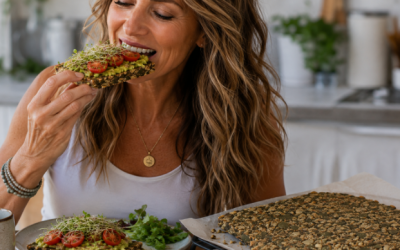
This grain free, nutrient-dense matzah bread is a modern twist on a piece of history. Fresh zucchini brings a natural, garden-fresh sweetness and a moist, tender texture that forms the foundation of this unique creation. The rich, creaminess of Brazil nuts and hemp seeds give this gluten free bread an irresistible complexity. Meanwhile, chia gel and finely ground flax work their magic as natural binders that add more nutrients. Together, these ingredients transform a traditional recipe into a gluten free, vegan celebration that’s kind to the body.
How Do You Make Matzah Bread?
This grain free recipe is super quick and easy to prep but does need time in the dehydrator. Begin by chopping fresh zucchini into pieces, then combine them in your food processor with the soaked and rinsed Brazil nuts and hemp seeds. Watch these ingredients merge into a rustic, promising paste.
Next, add in the chia gel and a pinch of salt. Gradually add finely ground flax seeds, stirring until the dough reaches that perfect, pliable consistency we need in a dough.
Transfer your grain free dough onto a dehydrator sheet lining your dehydrator tray and gently spread it into an even layer about 1/8-inch thick. Score it into generous squares. You can even use a rounded toothpick or chopstick to make the holes on the top like a traditional Matkah bread.
Allow it to dehydrate slowly for 12 hours—flipping halfway through—to achieve a delicate balance of crisp edges. Every step is a celebration of tradition reimagined, where each slice of this matzah bread is a delicious testament to the art of mindful, healthful cooking.

How Do You Customize This Recipe?
One of the best things about this grain free, nutrient-dense matzah bread is its remarkable versatility, allowing you to make it uniquely yours.
- Feel free to add a personal twist by incorporating a handful of fresh herbs like rosemary, thyme, or oregano to infuse the dough with a subtle, aromatic Mediterranean flair.
- If you crave extra crunch, sprinkle in additional seeds or mix in extra chopped nuts—walnuts or almonds make a wonderful alternative to Brazil nuts—or even add a dash of nutritional yeast for an unexpected umami boost. (Nutritional yeast is not a leavening agent).
- For a Moroccan twist, try adding a blend of warm spices such as cumin, coriander, and a pinch of cinnamon with sesame seeds to evoke the rich, exotic flavors of North Africa.
- For an Asian-inspired variation, consider adding in some soaked sea vegetables, finely chopped scallions, and a hint of grated ginger, which lends the bread a subtle, umami-rich depth.
Every tweak not only enhances the flavor profile but also allows you to tailor the recipe to your dietary needs, so that each batch is as unique and nourishing as your own personal journey to better health.
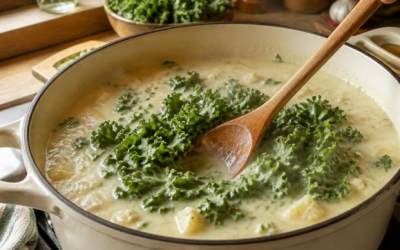
Enjoy your Matzah bread with Creamy Jicama Chowder or these blood sugar friendly Potato Free Latkes.

How Do These Ingredients Help With Blood Sugar Balancing, Heart Health, and Hormones?
I love how the fresh zucchini brings a vibrant burst of carotenoids, vitamins, and soluble fiber to help regulate blood sugar and ward off oxidative stress, while the Brazil nuts add selenium and vitamin E to support thyroid function and reduce inflammation. The hemp and flax seeds add heart-healthy omega-3 fatty acids and lignans that work to maintain a balanced cardiovascular system and promote hormonal balance, and the chia gel adds more omega 3s and rich soluble fiber that aids in slow, steady carbohydrate digestion.
Zucchini
Zucchini is full of vitamins A, C, and K, B vitamins like folate, B6, and riboflavin, as well as essential minerals such as potassium, magnesium, and zinc. It not only fuels energy production and helps maintain healthy blood pressure but also boosts immune function.
Zucchini is also loaded with carotenoids—lutein, zeaxanthin, and ?-carotene—that protect the eyes and prevent vision loss and boost immunity by protecting the intestinal lining. This robust antioxidant profile helps in reducing oxidative stress, setting a strong foundation for cellular health and supporting hormonal balance. It also contains soluble pectin that works to slow down carbohydrate absorption to prevent rapid blood sugar spikes and promote better insulin sensitivity.
Brazil Nuts
Brazil nuts are known for their exceptionally high selenium content—a trace mineral critical for optimal thyroid function needed to regulate metabolic rate and hormone production.
Selenium supports the body by forming key selenoproteins, such as glutathione peroxidase, which reduce oxidative stress and inflammation. Since chronic inflammation is linked to insulin resistance this action can help enhance insulin sensitivity and improve glucose metabolism. Some research even points to selenium having insulin-like properties, facilitating the uptake of glucose into cells for better energy balance.
Selenium is critical in converting thyroid hormones thyroxine (T4) into the active hormone triiodothyronine (T3), ensuring that the thyroid runs smoothly to maintain metabolic equilibrium. Complementing these benefits, vitamin E, also in Brazil nuts, is an antioxidant that protects cells from oxidative damage, supports immune function, enhances skin health, and further helps to reduce inflammation.
Hemp Seeds
Hemp seeds have an optimal balance of omega-3 and omega-6 fatty acids needed for maintaining healthy cholesterol levels and reducing chronic inflammation. These nutrient-dense seeds also contain phenolic compounds like naringenin, kaempferol-3-O-glucoside, and epicatechin that are antioxidants.
Rich in vitamins E and B vitamins with essential minerals like magnesium, potassium, and zinc, hemp seeds supply the critical nutrients necessary for robust metabolic function.
Hemp seeds also provide complete plant-based protein, with all nine essential amino acids. They are particularly high in arginine and glutamic acid; arginine plays a key role in reducing insulin resistance and enhancing cardiovascular health.
Chia Gel
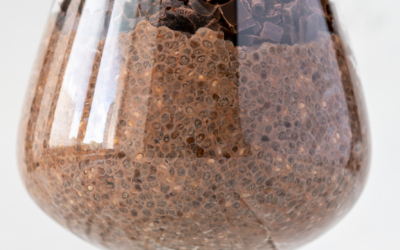
Chia gel, hydrated chia seeds, adds soluble fiber and omega-3 fatty acids. They are loaded with a broad spectrum of antioxidants, tocopherols, phytosterols, carotenoids, and polyphenols like quercetin, kaempferol, chlorogenic acid, and caffeic acid that work together to guard against oxidative stress and inflammation. This antioxidant blend helps reduce the risk of chronic conditions such as heart disease and diabetes and also supports overall cellular resilience.
Chia seeds are also rich in essential minerals like calcium, magnesium, phosphorus, and potassium which protect bone health and help maintain healthy blood pressure levels. The soluble fiber slows carbohydrate digestion for a steady release of glucose into the bloodstream and prevents abrupt insulin surges.
Flax Seeds
Flax seeds add another layer of support with their high content of alpha-linolenic acid (ALA) and lignans, which act as phytoestrogens. These lignans, specifically Secoisolariciresinol diglycoside (SDG), are metabolized by gut bacteria into potent enterolignans that possess powerful antioxidant and anti-inflammatory properties. This not only helps reduce chronic inflammation but also contributes to a lowered risk of heart disease and certain cancers.
Lignans, phytoestrogens, work to regulate estrogen levels and promote hormonal balance, while the additional dietary fiber in flax seeds aids in stabilizing blood sugar levels and improving lipid profiles.
These ingredients create a synergistic blend that tastes delicious and actively contributes to balanced blood sugar, robust heart health, and a harmonious hormonal environment. Each bite supports your body at a cellular level so that the metabolic, cardiovascular, and endocrine systems work together for optimal health.
In every bite, you’re not only enjoying something delicious, low glycemic, vegan, keto-friendly, raw, dairy free, and gluten free, you’re also nurturing your body at a cellular level for optimal health.

Matzah Bread Recipe
Equipment
- dehydrator
- food processor
- teflex sheet non stick sheet or pan
Ingredients
- 1 zucchini
- ¾ cup Brazil nuts soaked and rinsed
- ½ cup hemp seeds
- ¾ cup chia gel*
- 3 tbsp ground flax seeds adjust as needed
- 1 pinch Salt to taste
Instructions
- Chop the zucchini into pieces and add them to your food processor along with the soaked Brazil nuts and hemp seeds. Blend until you achieve a rough, homogeneous mixture.
- Pour in the chia gel and sprinkle a pinch of salt. Blend until the mixture becomes smooth.
- Add ground flax seeds gradually—start with 2 tablespoons and add more if needed—to form a dough-like consistency.
- Transfer the mixture onto a dehydrator sheet placed on your dehydrator tray. Spread it out evenly to about 1/8-inch thickness, ensuring the edges remain flat. Use a butter knife to score the dough into quarters and, if desired, create small holes for extra crispiness.
- Let the mixture dehydrate for 12 hours, flipping it at around 6–8 hours to ensure even drying.
Notes
Nutrition
Where Can You Find This and Other Nutritious and Delicious Recipes?
This recipe comes from The Healing Kitchen Show episode: Celebrating the Healthy Way: Nutritious Alternatives to Easter and Passover Dishes with Dr. Ritamarie, found inside the Empowered Self-Care Lab.
The Empowered Self Care Lab is a hub of holistic wellness resources, offering recipes, guides, and expert tips to help you live your healthiest life. Explore the collection and discover how whole, plant-based foods can transform your health.
Visit the Empowered Self Care Lab today and start your journey toward vibrant health!

Discover How to Protect Your Heart, Improve Your Energy, and Live a Healthier, Happier Life.
Just Click The Button Below to Get the Recordings Bundle.


0 Comments